
Whale Watching in Puerto Vallarta: The Complete 2026-27 Season Guide

Updated: Sep 29
Every winter, thousands of North Pacific humpback whales make the long journey south to the warm, sheltered waters of Banderas Bay. They come to mate, give birth, and teach their calves to swim, and for roughly four months the bay becomes one of the most rewarding places on the Pacific coast to watch them up close. If you are planning a winter escape to Puerto Vallarta or Riviera Nayarit, this is the guide to read before you choose your date. Whale Watching in Puerto Vallarta
When to Go Whale Watching in Puerto Vallarta
The Season at a Glance
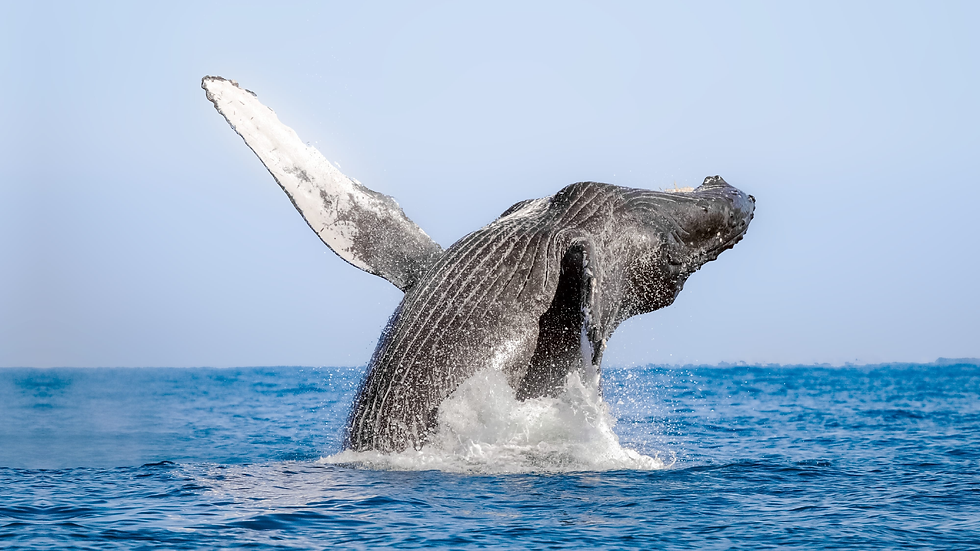
Humpbacks begin arriving in December, and sightings remain strong through March. January and February are widely considered the peak, when mothers and newborn calves are most active near the surface and competitive groups of males chase one another across open water. Early December and late March still offer excellent encounters, often with fewer boats on the water.
Best Time of Day
Mornings typically bring calmer seas and softer light, which makes for easier spotting and better photographs. Afternoon winds can build on some days, so a morning departure gives you the smoothest ride out toward the whales' favorite areas.
Where the Whales Gather
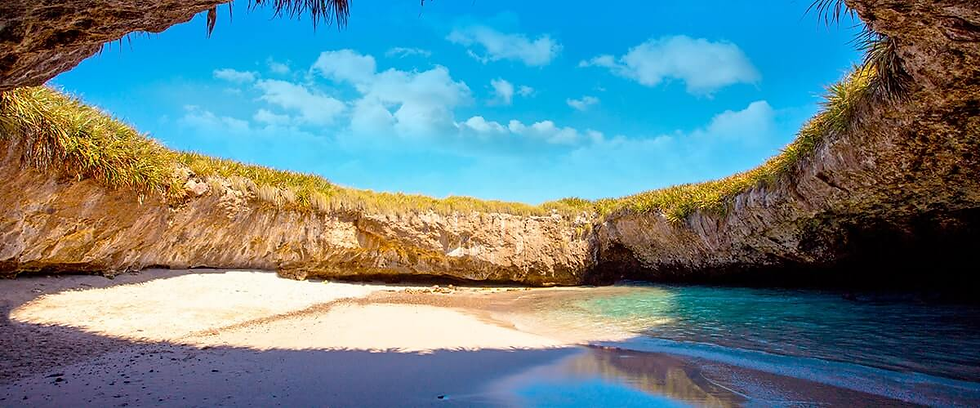
The humpbacks use the entire bay, but a few zones reliably deliver. The waters around the Islas Marietas and off Punta Mita attract mothers with calves, while the deeper channel toward the southern shore near Yelapa and Las Animas often reveals breaching adults. Departing from the marina at La Cruz de Huanacaxtle puts you minutes from the northern side of the bay, where many of the season's best encounters happen.
What You Might See
Beyond the classic breach, look for tail slaps, pectoral fin waving, spy-hopping (when a whale lifts its head vertically out of the water), and the thrilling "heat runs" of males competing for a female. On many days you will also share the water with bottlenose dolphins, sea turtles, and leaping mobula rays.
Group Tour or Private Charter?
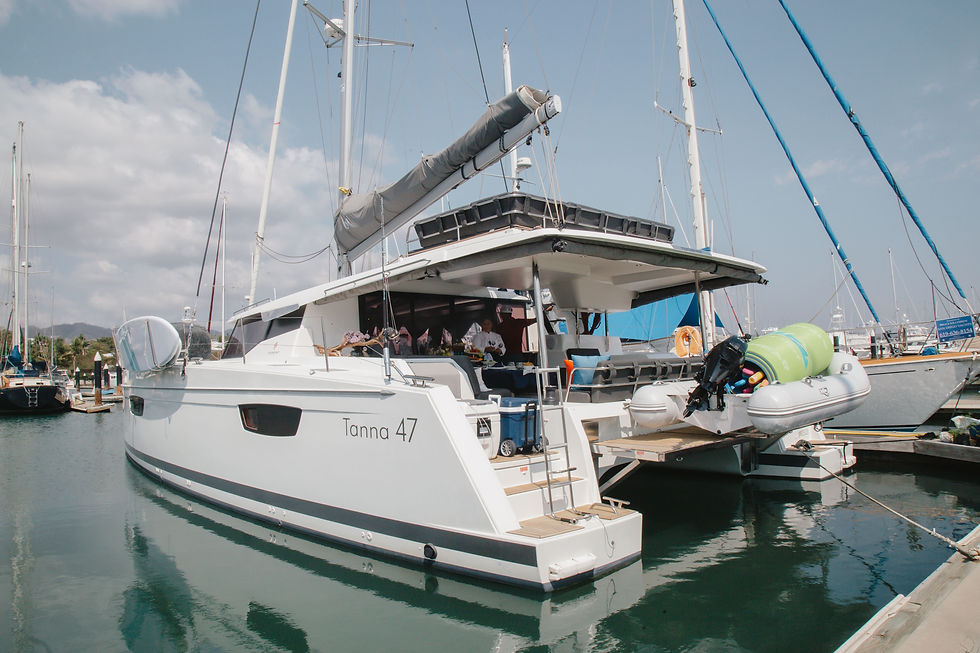
Shared tours are affordable, but they come with fixed schedules, crowded rails, and a tight timeline. A private yacht lets you stay with a pod as long as the regulations allow, change course when a better sighting appears, and enjoy the day at your own pace.
Feature | Shared Whale Tour | Private Yacht Charter |
Guests on board | Often 40 or more | Only your party |
Schedule | Fixed departure and return | Set around your preferences |
Route | Standard, same for everyone | Flexible, follows the best sightings |
Food and drinks | Basic snacks, limited bar | Chef-crafted menu, premium open bar |
Add-ons | Rarely available | Snorkeling, beach stops, water toys |
Responsible Viewing
Mexico regulates whale watching to protect the animals, including how closely boats may approach and how long they may stay with a group. Choose an operator whose captains know these rules and respect them. The best encounters happen when the whales stay relaxed and curious, and a quiet, well-handled approach is what makes that possible.
Tips for a Great Day on the Water
Bring polarized sunglasses to cut the glare, a light layer for the morning breeze, and a camera with a fast shutter setting. Reef-safe sunscreen is a must if you plan to snorkel afterward. If anyone in your group is prone to seasickness, mention it when you book so the crew can plan a smoother route.
Book Early for Peak Weeks
The holiday weeks and February's peak dates fill quickly with returning guests. Securing your charter in the fall gives you the widest choice of vessels and departure times.
Ready to spend a morning among the giants of Banderas Bay? Let Nautical Kings Luxury Charters PV design your private whale watching day, from the first sighting to the last toast. Plan your whale season charter with Nautical Kings.

Comments